A milestone for local hydrogen mobility
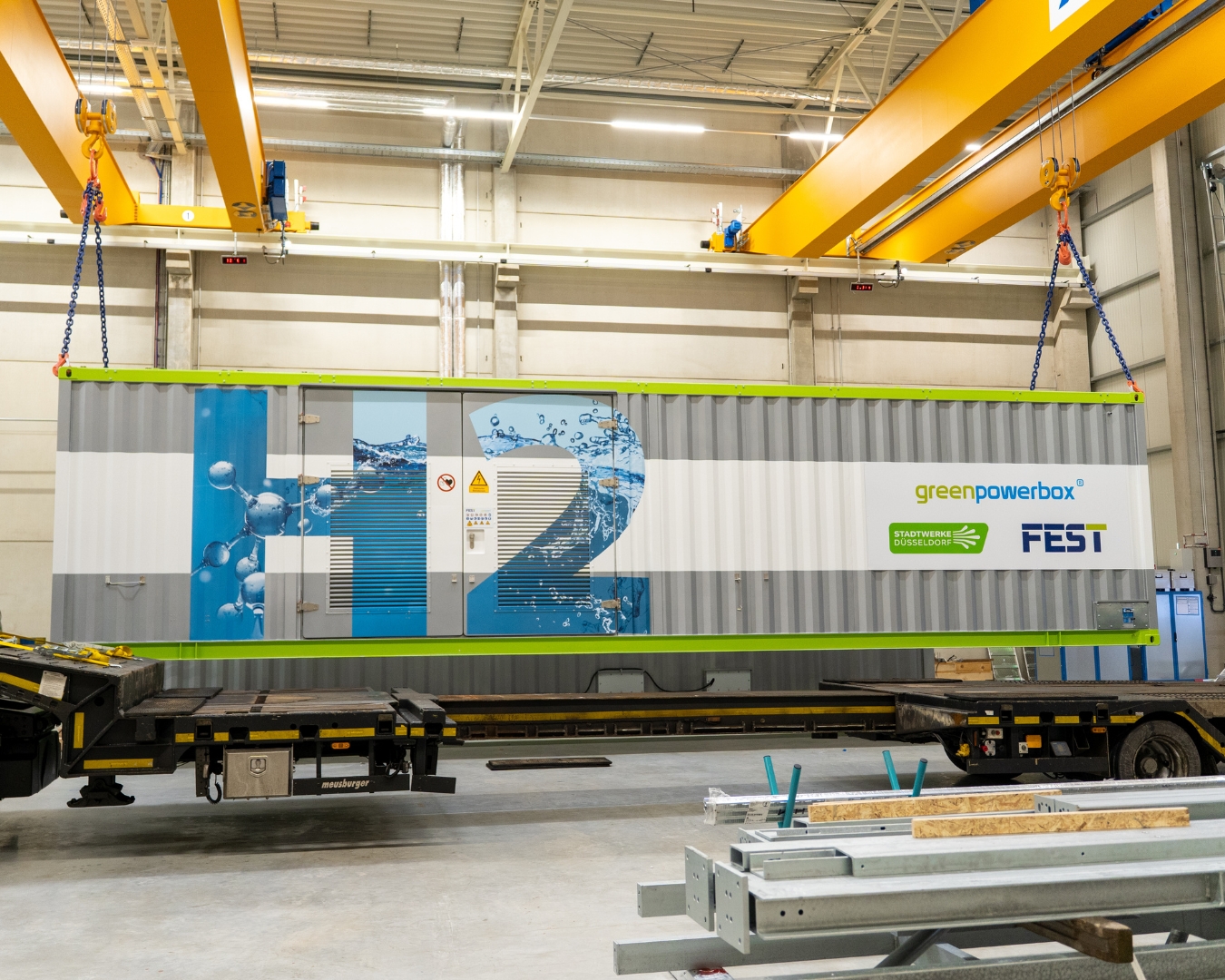
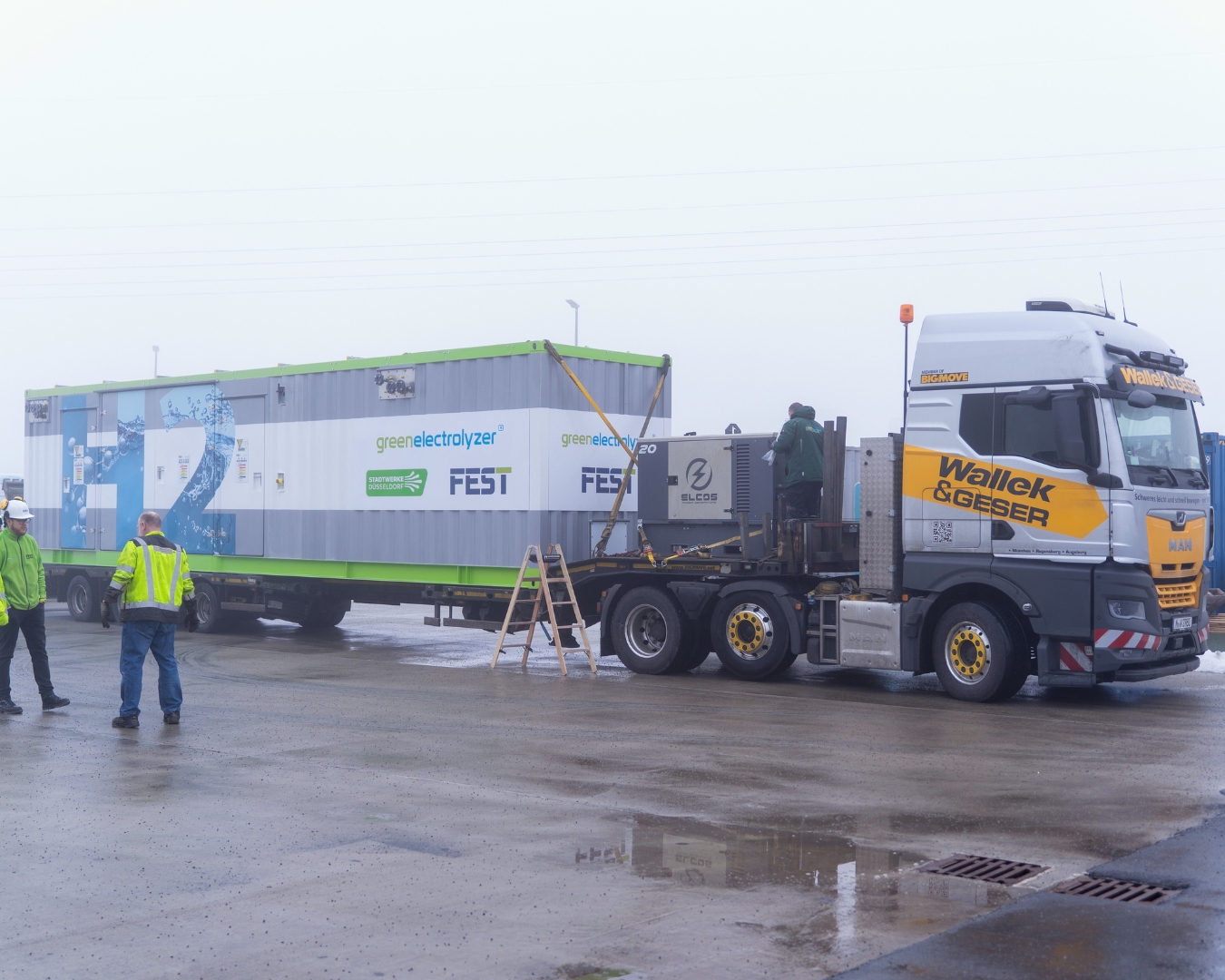
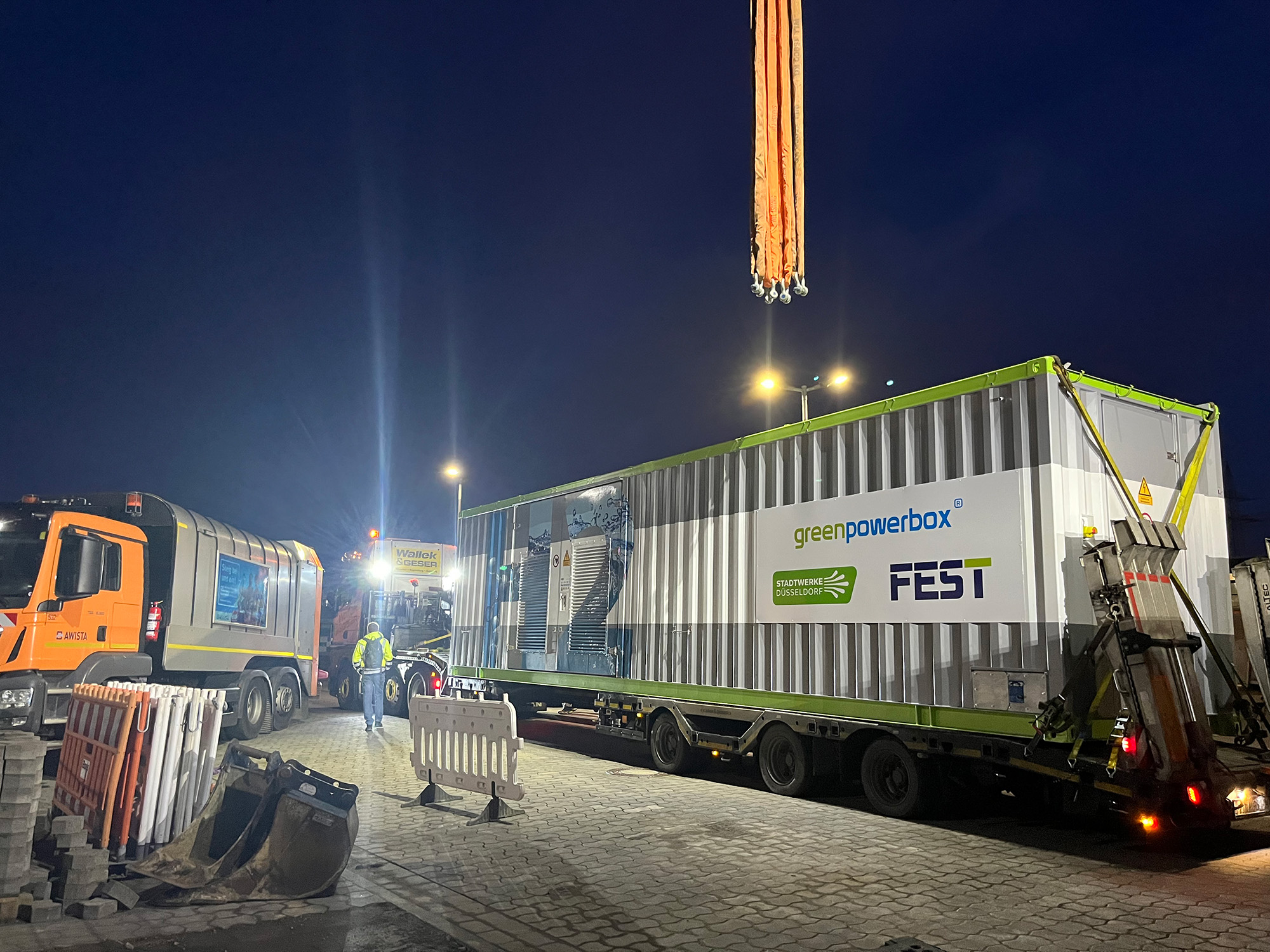
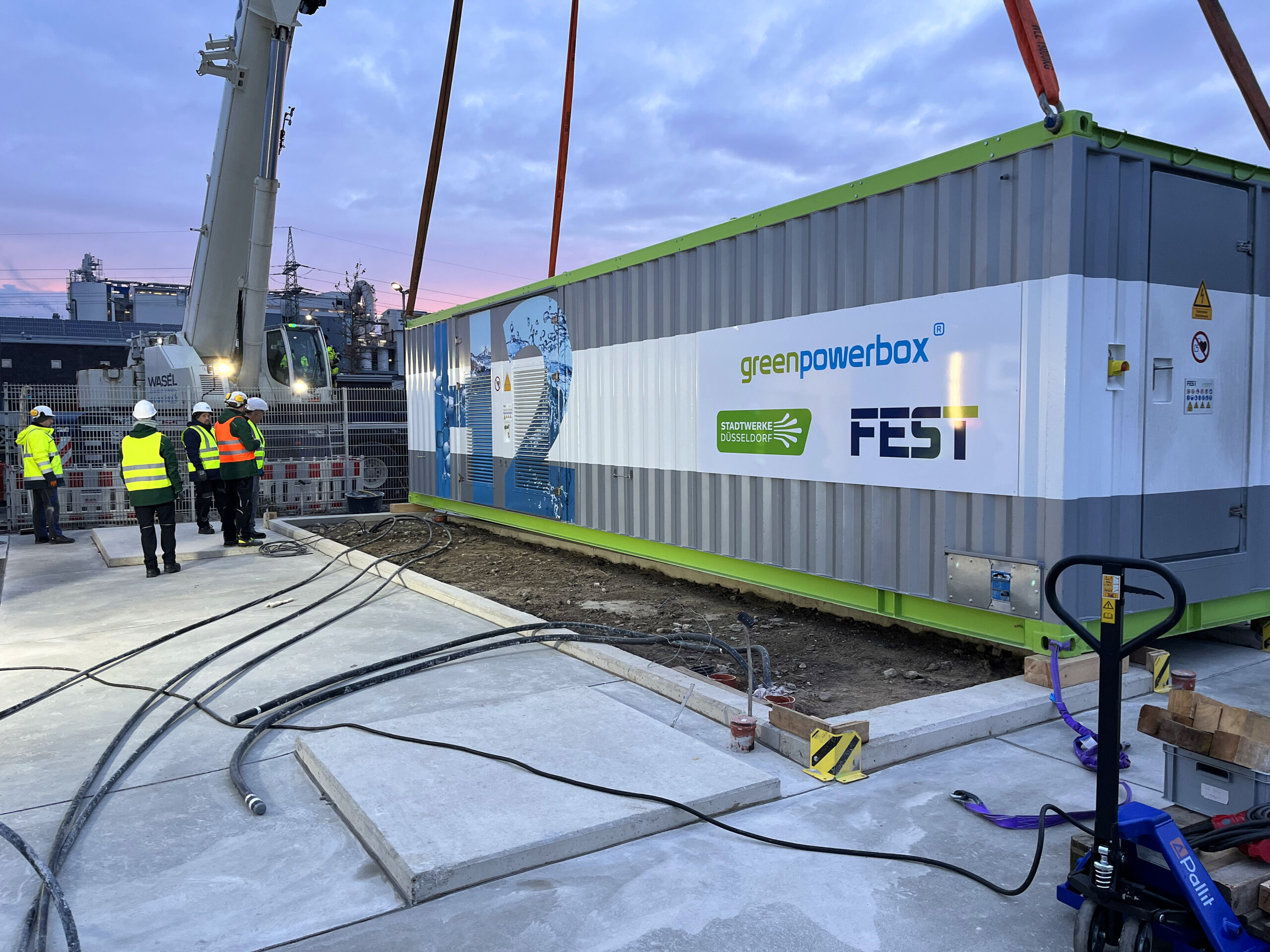
The delivery of a 2 MW PEM electrolyser to Stadtwerke Düsseldorf marks the start of a new phase in the implementation of a climate-friendly, locally produced hydrogen infrastructure. The electrolyzer from our greenelectrolyzer series will form the heart of regional hydrogen production in future – and supply the existing hydrogen filling station on Höherweg with green hydrogen.
The energy transition is no longer just a national project – it is being decided in the municipalities. Cities and regions play a key role in the success of the hydrogen ramp-up, as this is where climate-neutral mobility, renewable energies and local value creation come together directly. Stadtwerke Düsseldorf has taken the first step towards a fully integrated local hydrogen infrastructure.
Düsseldorf shows how municipal hydrogen mobility works
Düsseldorf is pursuing an ambitious goal: climate neutrality by 2035. The switch to emission-free drives plays a key role in this, particularly in public transport and heavy delivery traffic. Hydrogen offers clear advantages for both: long range, short refueling times and reliable performance.
Europe’s most powerful hydrogen filling station with a capacity of up to 5 tons of hydrogen per day was put into operation on Höherweg in 2024. It is designed to refuel buses, trucks and cars in parallel – an essential prerequisite for making the transport transition in urban areas scalable.
With the electrolyzer that has now been delivered, this infrastructure is being consistently closed locally for the first time: The green hydrogen required is produced directly in the city – from the biogenic electricity generated by Stadtwerke Düsseldorf’s waste incineration plant. This creates a cycle that intelligently combines energy efficiency and climate protection and demonstrates the concept of genuine sector coupling in practice.
High flexibility thanks to PEM technology
PEM technology enables operation between 10 % and 100 % output and responds to load changes within seconds. This makes it ideal for municipal energy systems where the amount of electricity available can vary greatly - for example when using energy from waste incineration or photovoltaics.
Space-saving container solution
For Düsseldorf, the system is supplied as a compact container solution. This enables quick installation, lower construction costs, simple integration into existing infrastructure, high service accessibility and reliability. This design offers decisive advantages, particularly in urban environments where space is a limiting factor.
Scalable modular system
Each stack produces up to 200 Nm³/h of hydrogen; several units can be easily linked. Advantage for municipalities: Start with smaller projects, later expansion to regional hydrogen hubs (up to 50 MW) without changing technology.
A project with an impact beyond the city limits
The Düsseldorf project is an example of how municipalities can shape the transition to a hydrogen economy:
- Regional added value through local energy generation
- Decarbonization of transport through green hydrogen
- Circular economy through the use of biogenic electricity from waste
- Technological sovereignty through flexible, scalable PEM systems
Düsseldorf is therefore not just a lighthouse project – it is creating a blueprint for other cities that want to rely on an independent, renewable hydrogen supply.
In addition to Düsseldorf, the Green Hydrogen Hub Stuttgart with a total output of 9 MW also relies on technology from FEST – another major project that demonstrates the role that decentralized electrolysis plays in the municipal energy transition.
Start your hydrogen project now.
Outlook: Start of commissioning and beginning of a new phase
The delivery of the electrolyser marks the start of the final implementation phase in Düsseldorf. Installation, test runs and system integration are followed by commissioning – the moment when green hydrogen is made available in regular operation for the first time.
What comes next is clear: a functioning, scalable energy system that already shows what climate-neutral mobility in urban areas can look like – and how local hydrogen production can be a key to sustainable urban development.
Further information on the project
Contact us
Contact for green hydrogen
Pascal Pewinski
Vice President Sales and Business Development
FEST GmbH