
The further development of the hydrogen strategy is one of the key industrial policy projects in Germany. By updating the National Hydrogen Strategy 2023 , the German government has committed to expanding domestic electrolysis capacity to at least 10 gigawatts by 2030.
As green hydrogen forms the basis of these goals, it is worth taking a look at the current framework conditions and market opportunities.
Companies are caught between great potential, high investment requirements and noticeable risks. The following overview shows how the strategy is developing and what options are opening up for various applications.
Where does Germany stand with its hydrogen strategy?
The update of the National Hydrogen Strategy (NWS) in 2023 forms the current reference framework for the ramp-up of a competitive hydrogen economy in Germany. The strategy shows clear industrial policy ambitions, but also structural challenges that companies need to be aware of.
Key objectives of the NWS update 2023
The German government has significantly sharpened the core objectives of the hydrogen strategy. Important cornerstones are
Expansion of electrolysis capacity to at least 10 gigawatts by 2030
This doubling of the original 5 gigawatts underlines the importance of domestic hydrogen production for industry and mobility.
Construction of an 1800-kilometer hydrogen launch network
Commissioning is scheduled for 2027 or 2028 and will form the basis for a national transportation infrastructure.
Securing supply through international hydrogen partnerships
From 2030, import requirements of at least 45 terawatt hours per year are expected. Partnerships with more than 50 countries should enable stable supply relationships.
Implementation status: progress in policy and infrastructure
The political framework conditions for the NWS update are in place. Funding programs such as IPCEI and climate protection contracts provide targeted support for companies entering into hydrogen technologies and create financial incentives for new projects. The construction of the approximately 1,800-kilometre-long hydrogen launch network is also in the concrete planning stage and is set to go into operation in stages from 2027.
Key challenges: Delayed market ramp-up and economic risks
Despite this progress, it is clear that the ramp-up of the hydrogen economy is slower than expected. The Bundesrechnungshof points out that national production, import capacities and industrial demand are lagging behind the target values.
There are also economic obstacles, as green hydrogen is still more expensive than fossil alternatives and companies are postponing investments for cost reasons. The ambitious expansion of the hydrogen core network is associated with considerable financial burdens. Regulatory hurdles such as electricity price components, lengthy approvals and a lack of market standards are also making it difficult to accelerate important projects.
Opportunities and risks are close together
The strategic direction of hydrogen policy is clear. However, the practical implementation shows structural weaknesses that companies must take into account when planning their H₂ projects. Those who analyze developments at an early stage and react flexibly to regulatory changes can realize long-term competitive advantages despite the existing uncertainties.
Ready to enter the hydrogen economy?
We analyze your initial situation together and show you concrete steps for a technically and economically sensible approach.
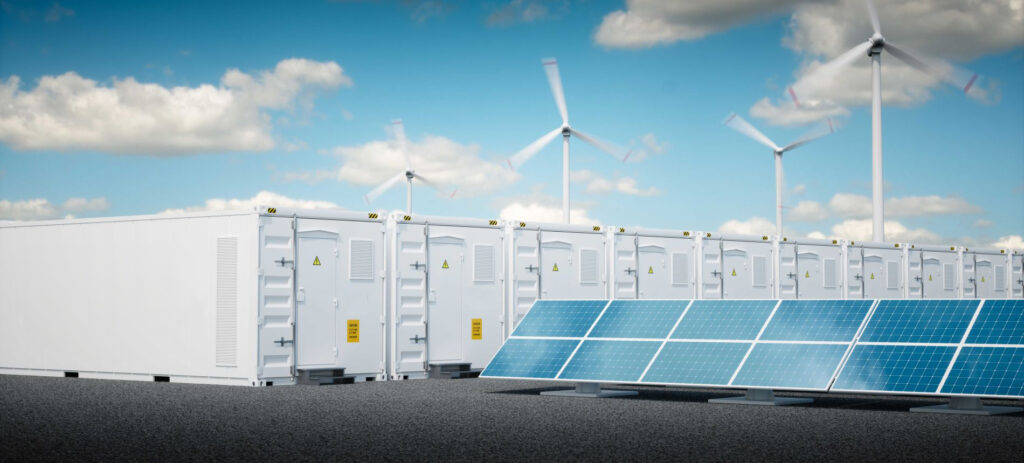
The central pillars of the German hydrogen value chain
1st production
The production of green hydrogen forms the basis of the value chain. With the expansion of electrolysis capacity to at least 10 gigawatts by 2030, Germany is relying on strong domestic production, supported by renewable energies and innovative electrolysers.
2. transportation
An efficient pipeline network is essential for industrial use. The planned hydrogen grid with a length of around 1800 kilometers will connect central regions from 2027 and ensure the supra-regional transport of hydrogen.
3. storage
Storage solutions ensure security of supply and flexibility. They balance out fluctuations in the generation of renewable energies and stabilize industrial applications, particularly in energy-intensive sectors.
4th distribution
Decentralized distribution via Green Hydrogen Hubs, trailers, containers or regional pipeline networks enables industry, fleet operators and municipal energy suppliers to be reliably supplied with hydrogen. This is an important step towards harmonizing demand and infrastructure regionally.
5. application
In industry, heavy goods transport and municipal energy projects, green hydrogen is seen as a key decarbonization solution. No-regret applications such as steel, chemicals, refineries and public transport are benefiting in particular from the ramp-up of the hydrogen economy.
This structure clearly shows how the hydrogen strategy works along the entire value chain and why investments in each of these areas are crucial for the market ramp-up.
Political instruments, funding programs and investment stimuli
The National Hydrogen Strategy 2023 creates a clear political framework for the market ramp-up of the hydrogen economy. For companies, this results in concrete investment incentives that accelerate technological innovations and industrial applications.
IPCEI: Driving force for the expansion of electrolysis
The most important funding comes from the Important Projects of Common European Interest (IPCEI). They support hydrogen projects along the entire value chain. Up to 2.2 gigawatts of additional generation capacity can be triggered by 2026. For many industrial users, this offers planning security and facilitates investment in their own hydrogen infrastructure.
Climate protection contracts: Cushioning higher operating costs
The German government is responding to the currently still higher operating costs of low-greenhouse gas processes with so-called carbon contracts for difference. Around 3 billion euros are available to support companies switching from fossil to hydrogen-based production processes. These contracts create an economic balance and reduce the investment risk in energy-intensive sectors.
Financing and regulatory framework
The strategy also relies on regulatory measures to reduce the costs of green hydrogen. These include:
- Adjustments to electricity price components to reduce electrolysis costs
- Measures to speed up approval procedures
- Harmonization of technical standards for transport, storage and use
These framework conditions are intended to stabilize the timetable until 2030 and facilitate the transition from individual projects to a scalable market.
Investment stimulus for industry, mobility and energy
The combination of subsidies and regulatory measures is effective across all sectors:
- Industry benefits from support in the transformation of energy-intensive processes.
- Fleet operators and the public transport sector receive incentives for the introduction of hydrogen-based drives.
- Municipal energy suppliers can set up regional hydrogen hubs with greater planning security.
The hydrogen strategy thus creates a framework that facilitates short-term investments and strengthens the long-term competitiveness of Germany as a business location.
Recommendations for action for key target groups in the hydrogen economy
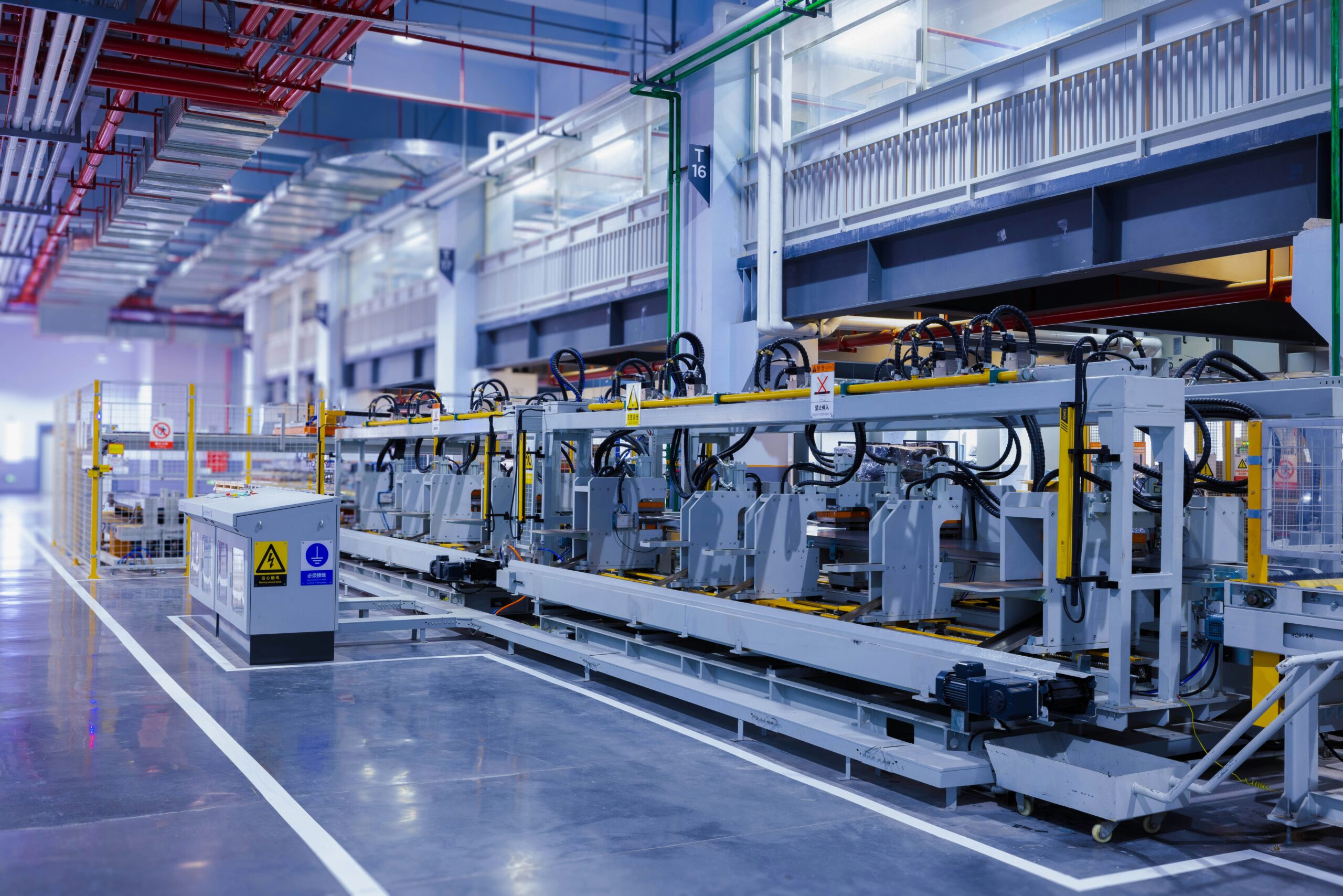
Production company
Manufacturing facilities should assess early on which processes are suitable for the use of green hydrogen. The best way to get started is through modular, scalable electrolysis solutions that do not require lengthy production shutdowns. A phased introduction via pilot plants, combined with a robust feasibility analysis, is advisable. Companies should consistently take advantage of incentive programs and partner with providers that offer integrated planning, service, and digital monitoring.
You can find a detailed classification here: Hydrogen in industry.
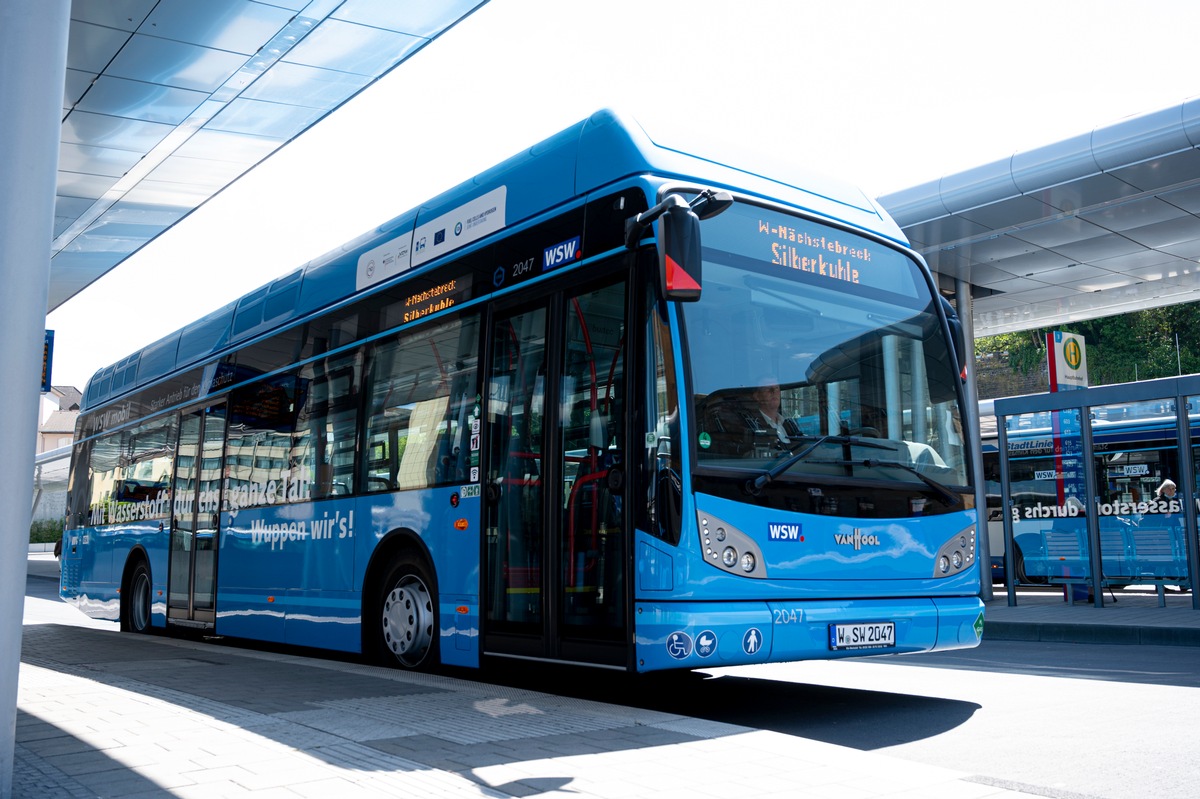
Operators of mobility fleets
Fleet operators, public transport and municipal fleets benefit from their own hydrogen refueling and hydrogen production facilities to ensure security of supply and economic stability.
Turnkey containerized systems and long-term service concepts are key success factors.
Our hydrogen mobility overview page shows which infrastructure components are crucial.
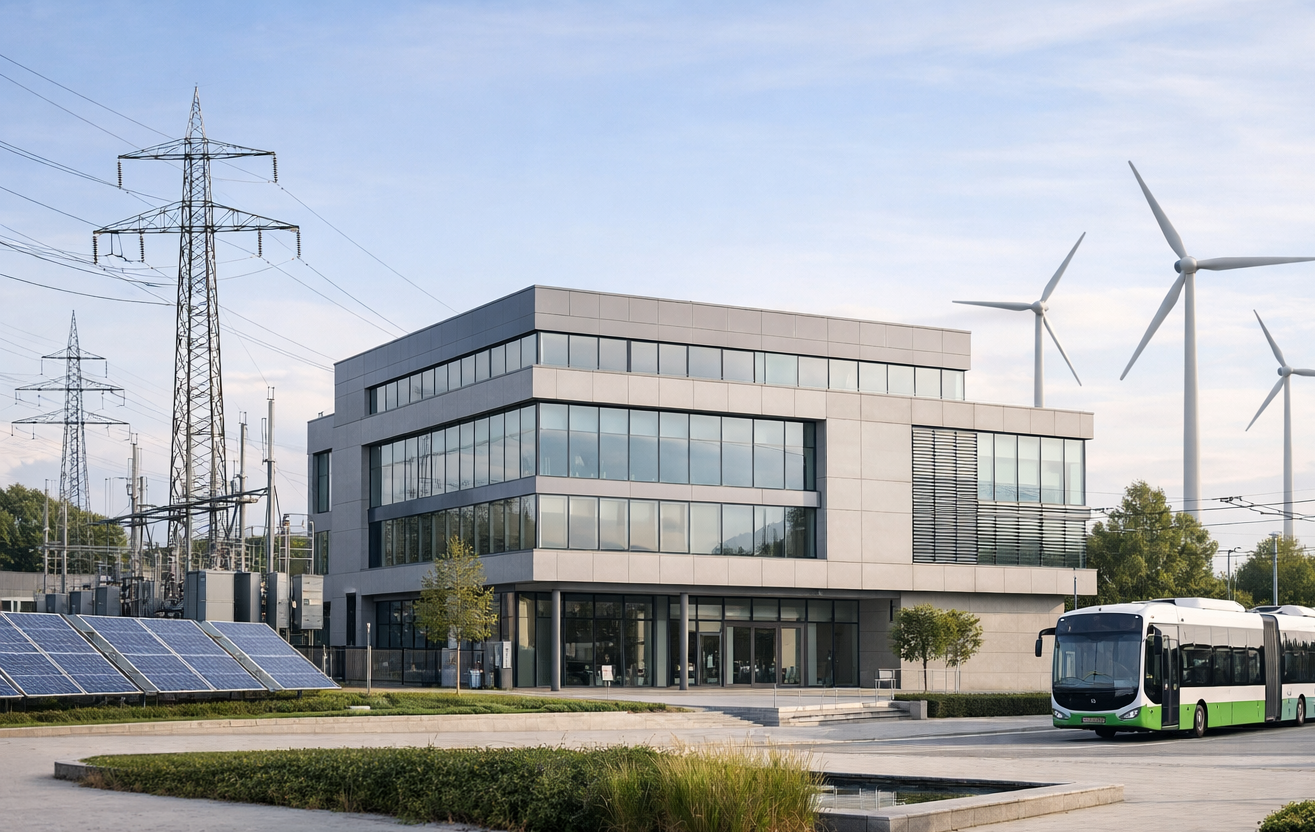
Municipal energy suppliers
Municipal utilities and regional energy suppliers should set up hydrogen hubs that supply industry, logistics and public transport at the same time.
Modular technologies, political stakeholder management, and a professional funding strategy are important.
Our topic page Hydrogen in the energy sector provides further impetus
Does green hydrogen pay off in your project?
We evaluate load profiles, generation options and investment frameworks so that you can make informed decisions.
How Germany's hydrogen strategy must develop by 2030
In order for Germany’s hydrogen strategy to be effective by 2030 and not fail due to its own ambitions, adjustments need to be made in several areas. The requirements of the 2023 NWS update provide the framework. What matters now is consistent implementation and clear priorities.
Faster approvals for hydrogen projects
The planned Hydrogen Acceleration Act (WasserstoffBG) is intended to accelerate the hydrogen ramp-up in a targeted manner. The draft adopted by the Federal Cabinet in October 2025 addresses the entire supply chain from production to storage and transportation.
The following aspects are particularly relevant:
- Hydrogen projects in the area of production and infrastructure are to be given preferential treatment when it comes to approvals.
- Procedures should be more digitalized and standardized to reduce planning and approval times.
- Not only electrolyzers are covered, but also the import, storage and transportation of hydrogen so that the infrastructure can be expanded more quickly across the board.
However, the German government expects the law to come into force in the course of 2026, following the conclusion of the parliamentary process, probably in summer 2026. Further details on the draft for the new law can be found on the website of the Federal Ministry of Economics.
Clearer priorities and faster market ramp-up
By 2030, at least 10 gigawatts of electrolysis capacity, an 1800-kilometre hydrogen grid and extensive imports are to be established. For this plan to become reality, it needs:
- Consistently accelerated approval procedures
- Prioritization of projects with a high decarbonization effect in industry and transport
- Binding roadmaps for infrastructure and funding decisions
This is the only way to create planning security and trust among project sponsors and investors.
Closing the cost gap and triggering investments
Green hydrogen will remain more expensive than fossil fuels for the foreseeable future. Without targeted instruments, the ramp-up threatens to be slowed down. The strategy must be in place by 2030:
- Consolidate and simplify climate protection agreements and IPCEI funding
- Reduce electricity price components and grid fees for electrolysis
- Create reliable, long-term support frameworks instead of short-term programs
The aim is to reduce the economic gap to such an extent that private investments in production, infrastructure and applications can be scaled up.
Expand infrastructure in a risk-conscious and needs-based manner
The Bundesrechnungshof warns of the financial risks of over-ambitious grid expansion if supply and demand do not grow at the same pace. It follows from this:
- Expansion of the core network tailored to specific industrial anchor customers
- Greater integration of decentralized solutions to develop regions step by step
- Transparent risk sharing between the state, network operators and users
An intelligent mix of a central core network and decentralized H₂ hubs reduces misallocations and increases acceptance.
Secure import strategy and increase diversification
From 2030, an import requirement of at least 45 terawatt hours per year is expected. The import strategy must be in place by then:
- Establish long-term, contractually secured partnerships with stable producer countries
- Clearly prioritize transport paths (pipeline, liquid hydrogen, derivatives)
- Binding regulation of sustainability and origin standards
Only a diversified import base prevents new dependencies and strengthens security of supply.
From pilot project to scalable business model
By 2030, the hydrogen strategy in Germany must enable the transition from individual projects to scalable business models. This requires:
- standardized technologies and modular solutions in production, storage and distribution
- Digital and automated operating models to reduce operating costs
- Market designs that make low-carbon products such as green steel or H₂-based fuels competitive
If this transition is successful, the hydrogen strategy will become a real location factor. Companies will have a resilient environment for investing in green hydrogen, and Germany will come much closer to its goal of becoming a competitive hydrogen republic.
Setting the course for sustainable growth now
The National Hydrogen Strategy opens up enormous potential for companies. At the same time, it is clear that the path to a hydrogen republic can only succeed with flexible, decentralized and automated solutions. This is precisely where the FEST Group’s strength lies. With modular PEM systems, integrated complete solutions and decades of automation experience, the company offers technologies that precisely meet the real needs of industry, transportation and energy supply.
For decision-makers, this means that now is the right time to initiate projects, examine partnerships and concretize their own hydrogen roadmap. Companies that start early will secure technological advantages, funding and long-term competitiveness.
Are you planning to get involved in hydrogen projects or do you want to further develop existing concepts?
We support you with comprehensive expertise. Contact us to discuss your project without obligation and identify specific potential for your project.
Contact us
Planning a hydrogen project?
Please contact us—we’ll put our experience to work for you.
