
Green hydrogen connects what was previously separate: electricity, heat, mobility, and industry. A Green Hydrogen Hub positions municipal utilities as key players in this sector coupling. It connects local energy sources with regional consumers and creates a value chain that remains within the community. In this way, hydrogen becomes a business model for municipal utilities.
Hydrogen for Municipal Utilities: Why the Business Case Is Emerging Now
Three developments lay the foundation for a sustainable business model.
The demand is becoming more concrete.
Public transportation companies are electrifying their fleets. For buses with long ranges, hydrogen is often the only alternative to diesel. At the same time, industrial companies are looking for ways to decarbonize their process heat.
Renewable energy requires flexibility.
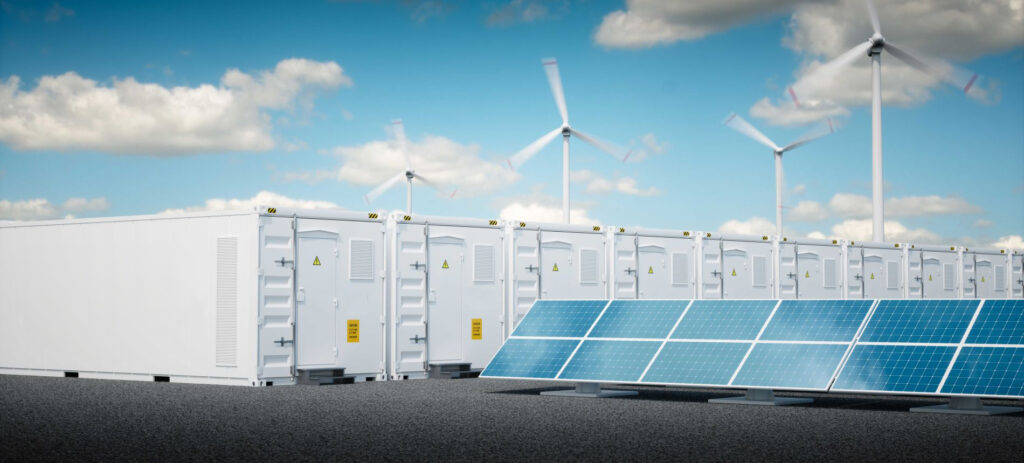
A PEM electrolyzer converts excess wind and solar power into storable hydrogen. Municipal utilities with their own generation facilities can make better use of their capacity and avoid grid bottlenecks.
Funding programs lower the barrier to entry.
The federal government, the states, and the EU are providing funding for municipal hydrogen projects covering 40 to 60 percent of the investment costs. This funding program is available for a limited time.
Bringing together local production, regional customers, and subsidies creates predictable revenue. The value added stays in the local community. Municipal utilities become an indispensable partner for mobility and industry in the region.
What is a Green Hydrogen Hub?
A green hydrogen hub is an integrated facility for the production, storage, and distribution of green hydrogen. The core components include an electrolyzer that splits water into hydrogen using renewable electricity, storage systems for temporary storage, and refueling infrastructure for vehicles or trailer filling for industrial customers.
For municipal utilities, the advantage lies in modularity. Container-based systems can be expanded incrementally as demand grows. Getting started does not require a major investment.
Learn more about how this works in our overview article: Green Hydrogen Hubs: Key Technology for the Regional Hydrogen Economy.
What use cases are realistic for municipal utilities?
Not every application is equally suitable for getting started. The most economically attractive use cases are characterized by predictable demand and geographical proximity.
The key lies in the combination. A hub that serves multiple customers reaches economic capacity utilization more quickly.
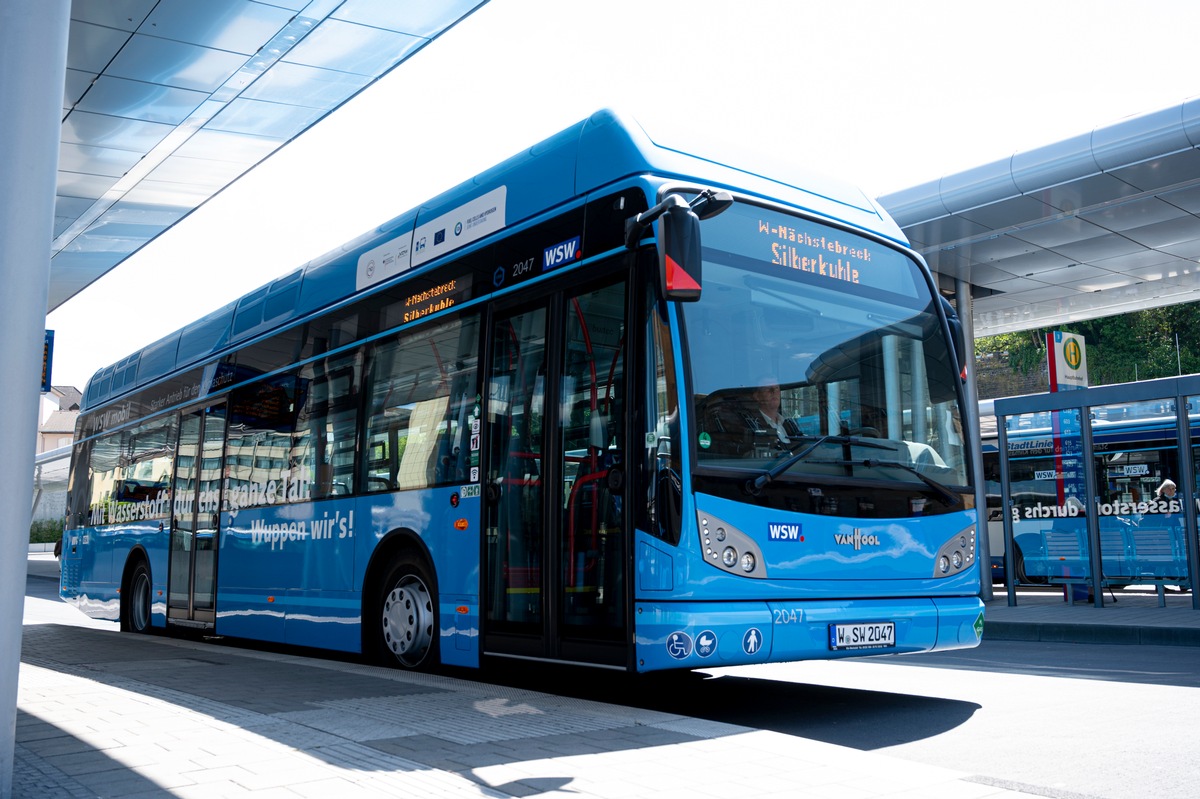
Public Transportation and Municipal Fleets
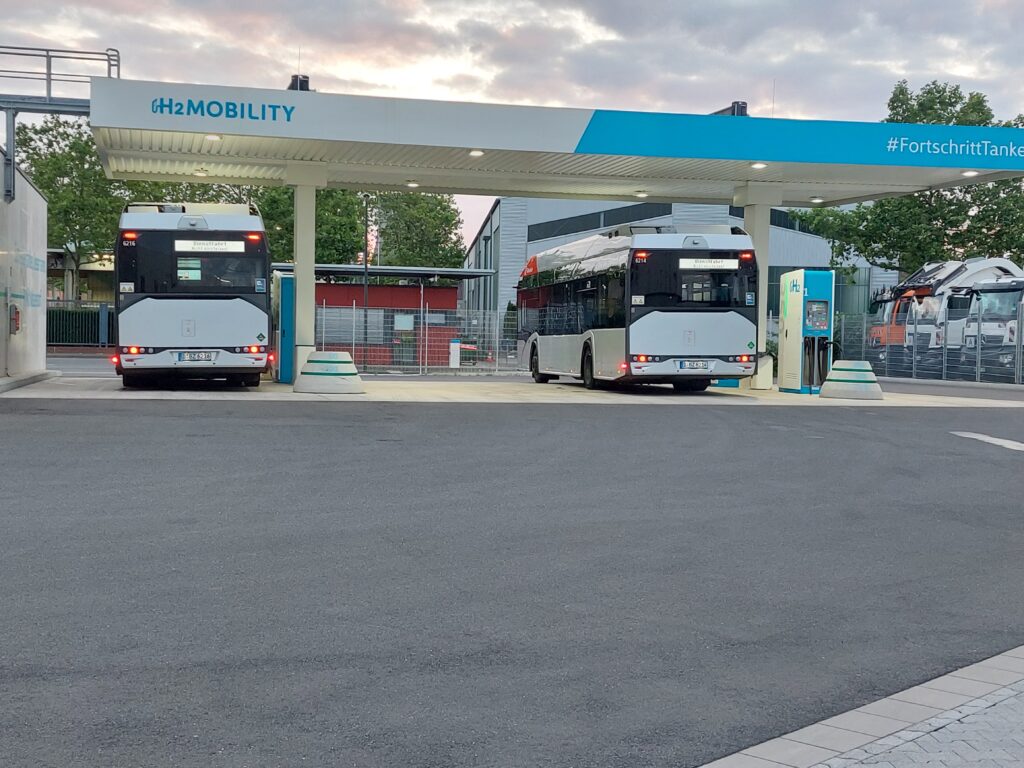
Hydrogen buses and garbage trucks follow fixed routes and return to the depot daily. Demand is predictable, and refueling is handled centrally. For municipal utilities, this results in a long-term purchase agreement with a reliable local partner.
Our hydrogen mobility overview page shows which infrastructure components are crucial in this context.
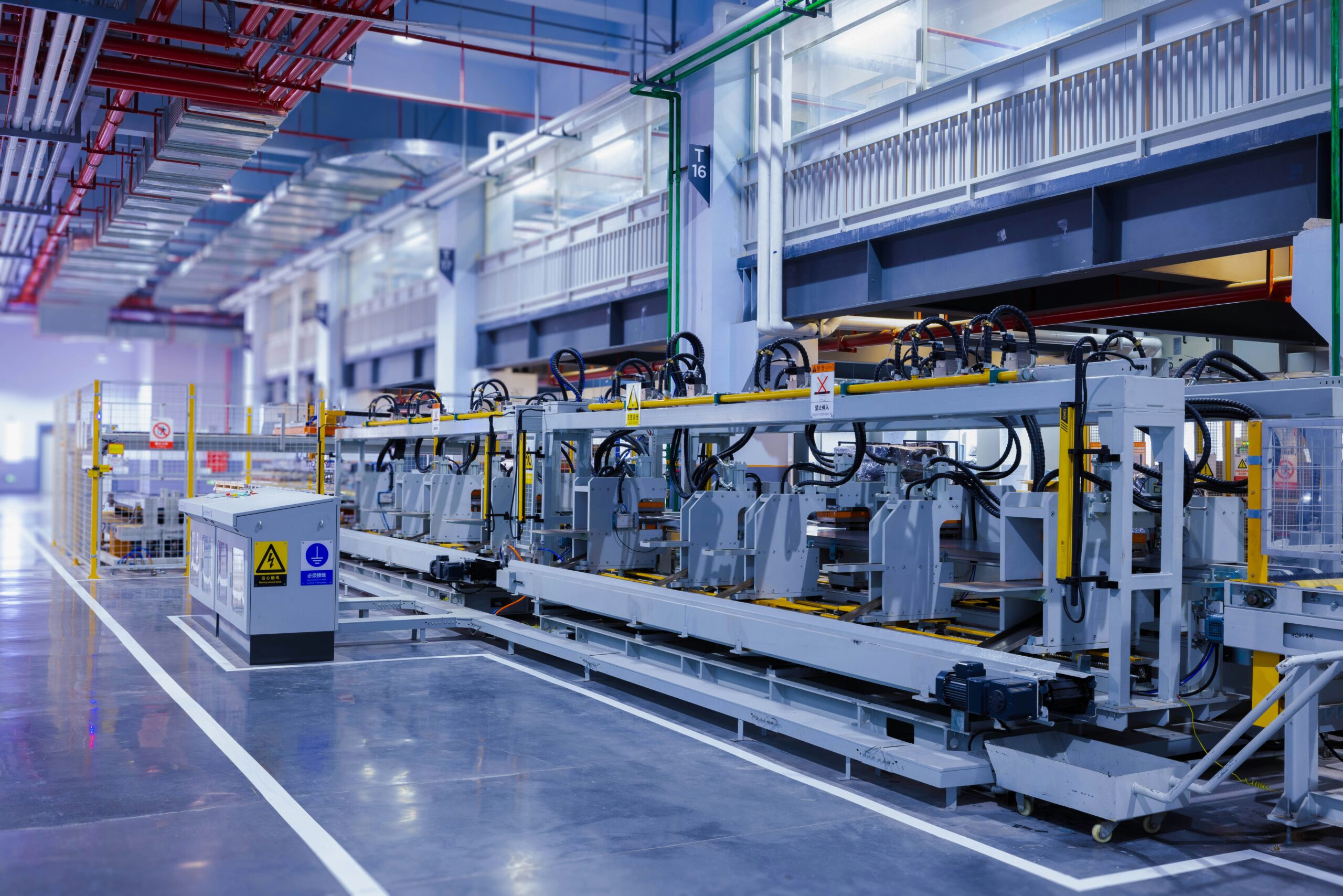
Regional Industry
Businesses in the metalworking, glass manufacturing, or food industries require process heat or hydrogen as a shielding gas. If such a customer is located within the service area, there is no need for complex transportation solutions. Delivery is made via trailer or direct pipeline.
You can find a detailed overview here: Hydrogen in Industry.
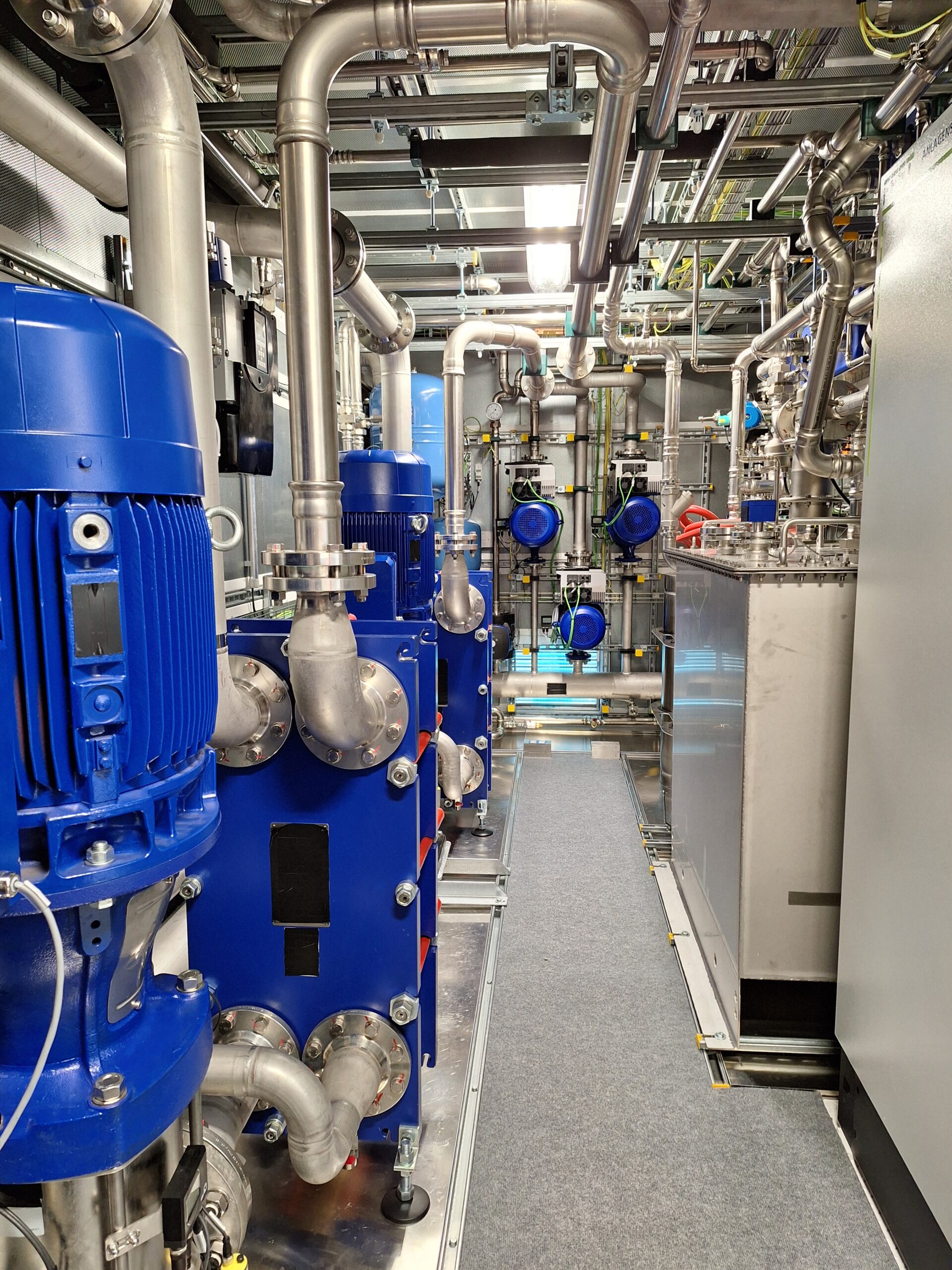
Sector Integration with District Heating Networks
Hydrogen can be used in combined heat and power plants to generate both electricity and heat. This creates an additional sales channel for municipal utilities with their own heating networks. Sector coupling makes the operation more economically stable because it brings together multiple sources of revenue.
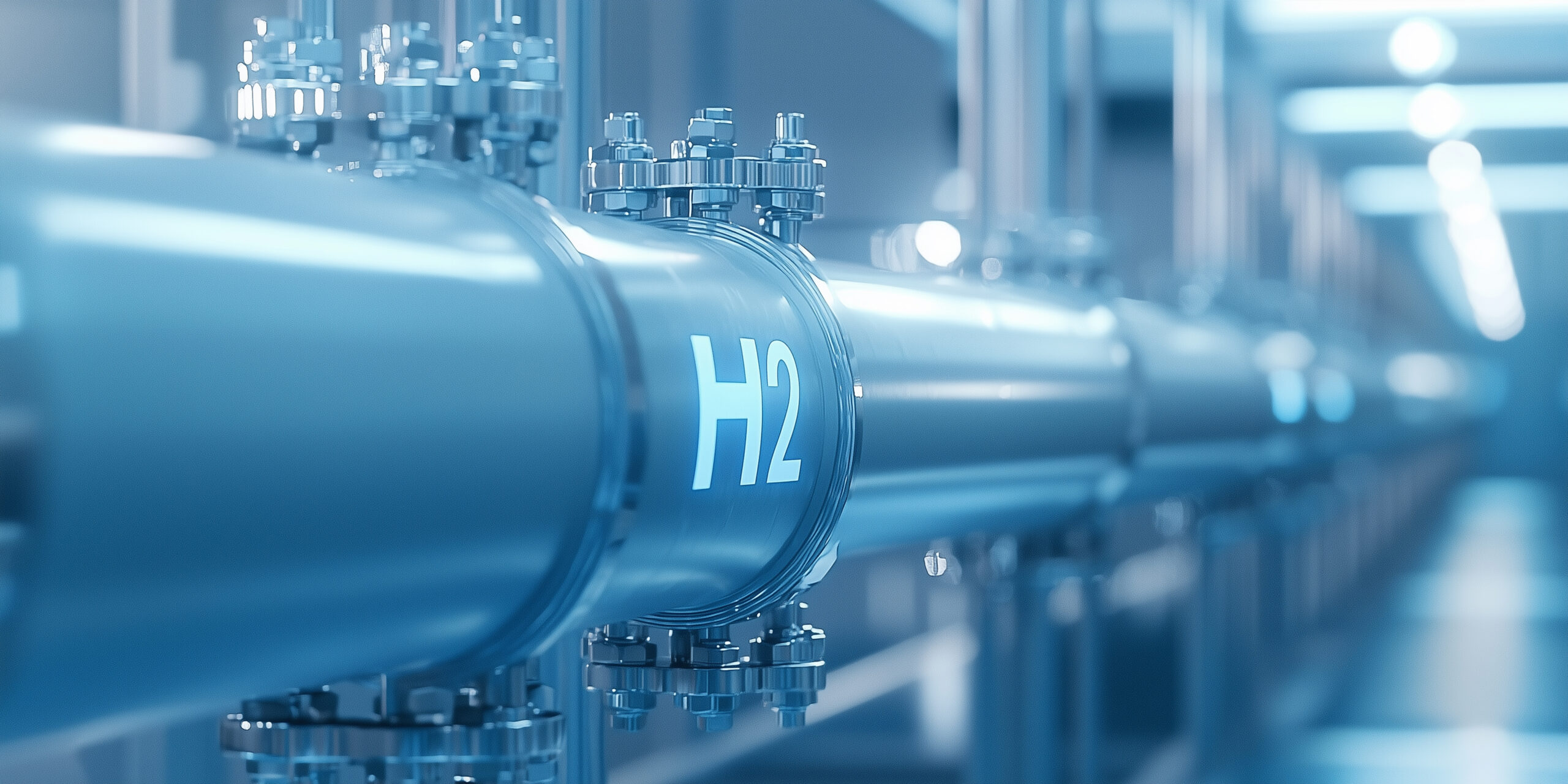
Power-to-Power Conversion
Converting hydrogen back into electricity is technically feasible, but is currently economically viable only in special cases. This use case will become more important as demand for hydrogen as a seasonal energy storage solution grows.
Start your hydrogen project now.
Case Study: Stadtwerke Stuttgart
Stadtwerke Stuttgart demonstrates how a phased rollout works. Three FEST electrolysis plants there meet the region’s growing demand. The hydrogen is used to power public transportation and supplied to other customers.
The project demonstrates how municipal utilities can respond flexibly to rising demand through modular expansion.
More about the project: Stuttgart Public Utilities – H2 Production.
Here's what your hub could look like: Features and Architecture
A Green Hydrogen Hub can be flexibly tailored to the municipal utility’s specific circumstances. The key is to clarify three roles.
Producer
Who operates the electrolyzer and produces the hydrogen? Municipal utilities can take on this role themselves or bring in a partner. In-house production means full control over margins and quality.
Operator
Who is responsible for the day-to-day operation, maintenance, and monitoring of the facility? Many municipal utilities rely on a technical partner to handle these tasks. This keeps internal staffing costs manageable.
Offtaker
Who will purchase hydrogen from the municipal utility? Public transportation agencies, industrial customers, or logistics companies can be secured through long-term purchase agreements. The creditworthiness and planning reliability of these partners determine the project’s financial viability.
Typical Configuration for Municipal Utilities
Why Choose FEST as a Partner?
FEST supplies containerized PEM electrolysers as a plug-and-play solution. For municipal utilities seeking a one-stop solution for production, storage, and refueling, FEST offers integrated, turnkey hydrogen systems.
From feasibility studies through planning and permitting to ongoing service, everything comes from a single source. The experience gained from municipal projects in Stuttgart, Vienna, Wuppertal, and Frankfurt is directly incorporated into every new design.
Profitability: Three Factors That Matter
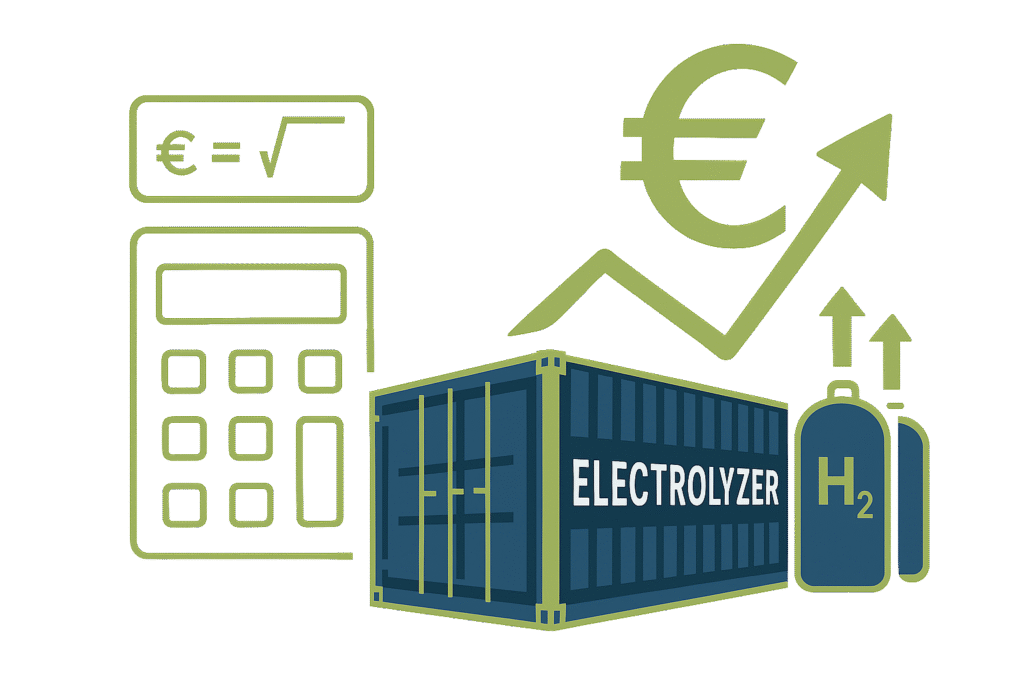
The economic viability of a green hydrogen hub depends on three factors: electricity costs, capacity utilization, and investment costs.
- Electricity costs: Electricity accounts for 60 to 70 percent of production costs. Municipal utilities with their own generation facilities or favorable power purchase agreements have a clear advantage here.
- Capacityutilization: The more full-load hours the electrolyzer achieves, the lower the cost per kilogram of hydrogen. Having multiple customers helps stabilize capacity utilization.
- Capital costs: A 2-MW electrolyzer costs in the single-digit millions. Modular systems allow for phased expansion and reduce the initial risk.
Guideline Values
Take Advantage of Funding Programs
The federal government, the states, and the EU are supporting municipal hydrogen projects with grants covering 40 to 60 percent of the investment costs. The funding opportunities are currently attractive but time-limited. Early planning ensures access to these funds.
Determine the profitability of your use case.
Find out how your project pays off. FEST will prepare an individual analysis for you that combines technical feasibility and cost-effectiveness.
Understanding and Managing Risks
The biggest uncertainties in hydrogen projects:
- fluctuating electricity prices
- Uncertain capacity utilization in the initial phase
- lengthy permitting processes.
Modular systems reduce these risks. Municipal utilities can start with a smaller plant and expand it gradually as demand grows. This keeps the investment risk manageable and ensures that capacity adapts to actual demand.
FEST relies on containerized plug-and-play solutions that offer precisely this flexibility. Expansions can be implemented without lengthy planning phases.
The Path to Your Own Hub
Phase 1 (0–6 months)
Feasibility study, site analysis, initial discussions with potential customers
Phase 2 (6–18 months)
Planning, permitting procedures, applying for grants, competitive bidding
Phase 3 (18–36 months)
Construction, Commissioning, and Start-up
FEST supports municipal utilities through every phase: from the initial feasibility study to ongoing operations.
Your next step: The feasibility check
Would you like to know if a Green Hydrogen Hub is a good fit for your project? In a no-obligation initial consultation, we’ll work with you to analyze your current situation, potential customers, and funding opportunities.
Contact us
Get started on your hydrogen project now.
Contact us and take advantage of our experience.
