
Green hydrogen is considered indispensable for achieving climate targets. However, the path to a functioning hydrogen economy requires technology, economic efficiency, energy infrastructure and consumer demand to be optimally coordinated. This is precisely where the Green Hydrogen Hub concept comes in: They not only create a technical solution, but also form the link between energy producers and consumers.
But how can you get started sensibly, economically and future-proof? We provide the answers.
What is a Green Hydrogen Hub?
A Green Hydrogen Hub is a system that produces, stores and distributes green hydrogen where it is actually needed. Unlike large centralized plants, there is no need for energy-intensive and costly transportation. Instead, renewable energy from wind, photovoltaics or hydropower is converted into hydrogen locally and used directly on site for mobility, industrial processes or energy supply.
The hub thus forms a central link in sector coupling in the region. It combines electricity generation, heat utilization and industrial applications to form an integrated energy system.
A hydrogen hub consists of several key elements: a highly efficient electrolysis system, a storage and compression unit, delivery points such as H₂ filling stations or trailer filling systems and an intelligent control system for optimal integration into the energy system. The modular design enables quick assembly and flexible scaling. This is perfect for starting small and expanding the hub as demand grows.
Advantages of regional hydrogen hubs
The centralized production of green hydrogen brings a number of economic, ecological and strategic advantages.
Balancing and stabilizing the regional energy grid
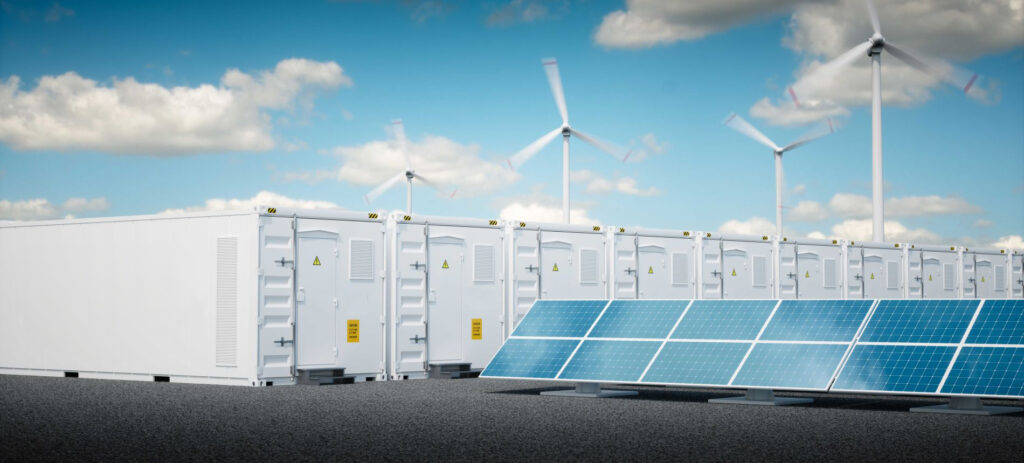
Hydrogen hubs make a significant contribution to grid stability by converting surplus energy from renewable sources into hydrogen instead of curtailing it. This chemical storage makes it possible to efficiently utilize temporary overproduction and make energy available again as needed. This relieves the regional electricity grid, balances out fluctuations in generation and sustainably improves the integration of renewable energies.
Decarbonization of industrial processes
For energy-intensive production companies that still use fossil fuels in processes such as welding, hardening or glass finishing, a dedicated hydrogen hub is an opportunity to drastically reduce their carbon footprint. Hydrogen replaces natural gas, heating oil or coal without compromising on performance or process quality.
Security of supply for mobility applications
In the mobility sector, particularly for bus fleets, commercial vehicles, rail connections or municipal vehicle fleets, a local hub offers independence from fluctuating supply chains. Vehicles can be refueled directly at their own location. Refueling only takes a few minutes and enables long operating times.
Regional added value
Instead of paying for energy imports, the investment stays in the region. The construction, operation and maintenance of the plant create local jobs and strengthen the industrial ecosystem.
Economic efficiency and planning security
Direct access to locally generated green electricity means that operating costs can be calculated and decoupled from rising energy prices on the international market.
Flexibility and scalability
Municipal energy suppliers are in a key position as they have the necessary infrastructure, access to renewable energy sources and an existing network of customers ranging from local public transport to commercial enterprises and private households.
Municipal energy suppliers as operators
Municipal energy suppliers are in a key position to establish the hubs in their regions. They often have the necessary infrastructure, access to renewable energy sources and an existing network of customers ranging from public transport to commercial enterprises and private households.
A Green Hydrogen Hub for municipal utilities can fulfill several strategic functions at once:
- Decarbonization of public transport by supplying the bus fleet.
- Supply local industrial companies with emission-free fuel.
- Integration into existing heating projects by utilizing waste heat from electrolysis.
Federal, state and EU funding programs make it easier to get started. Successful operators combine technical expertise with project management skills and clear communication in the region. This makes the hub not just an energy infrastructure, but a visible beacon project for the energy transition.
Start your hydrogen project now.
How do Green Hydrogen Hubs work?
The core of hydrogen production is the electrolyser, which uses electricity to split water into hydrogen and oxygen. Here, FEST relies on PEM electrolysers, which are characterized by high efficiency, fast response times and the ability to operate dynamically.
Modular design for maximum flexibility
The entire system is constructed in standardized, containerized modules. This simplifies transportation, installation and subsequent expansion. The hydrogen systems include:
- PEM electrolyzers for hydrogen production with the highest purity (> 99.999 %).
- Compression for different pressure levels, depending on application and storage medium.
- Storage in gas cylinder bundles or stationary tanks.
- Dispensing infrastructure, e.g. H₂ filling stations or trailer filling systems.
Integration of renewable energy
Economical operation depends largely on the availability of cheap green electricity. In addition, hubs can be controlled in such a way that they absorb surplus electricity from wind or PV systems and thus contribute to grid stability.
Safety and certification
All FEST solutions are CE-certified, safety-tested and meet the highest quality standards. This ensures safe operation even in urban environments.
How a Green Hydrogen Hub pays off
The path to implementation begins with a clear analysis of your own needs. Whether bus fleets, industrial processes or heat supply, wherever hydrogen can be used as an energy source or raw material, it is worth taking a close look at the local conditions.
The question of energy supply is just as crucial. Hydrogen hubs thrive on their proximity to renewable energy sources such as wind, photovoltaics or hydropower. Those who have access to cheap green electricity, ideally via a power purchase agreement (PPA), create the basis for economically viable hydrogen production.
The electricity costs and the capacity utilization of the electrolysers are the two biggest levers for profitability. This depends on several factors:
- Electricity price: At 0.05 €/kWh and 50 % capacity utilization, hydrogen production costs of around 6 €/kg are achievable.
- Utilization rate: Higher utilization reduces the production costs per kilogram of hydrogen.
- Subsidies: Subsidies can significantly reduce investment costs.
- Revenues from secondary markets: Participation in the balancing power market or sale of by-products such as oxygen and waste heat.
An optimized hub can pay for itself within five to ten years, depending on the application, capacity utilization and marketing of the hydrogen, especially if rising CO₂ prices make fossil alternatives more expensive.
Determine the profitability of your use case.
Find out how your project pays off. FEST will prepare an individual analysis for you that combines technical feasibility and cost-effectiveness.
Funding and optimal project structure as the key to success
Economic implementation often depends crucially on suitable funding programs. The federal, state and EU governments offer a wide range of subsidies and financing options, from investment grants and operating cost subsidies to research funding.
The decisive success factor: the project structure must match the funding logic. This applies not only to the technical design of the system, but also to the schedule, the involvement of partners and the planned usage scenarios. Those who plan at an early stage significantly increase their chances of receiving maximum funding.
Another point is the involvement of experienced partners. FEST supports projects from the application phase through to commissioning and knows the requirements of the current funding programs inside out. This saves time, reduces risks and ensures that the Green Hydrogen Hub is not only a technical success, but also an economic one.
Practical examples in Europe
Our numerous hydrogen reference projects show that the hub concept works. We have picked out 3 success stories here as examples:
Austria
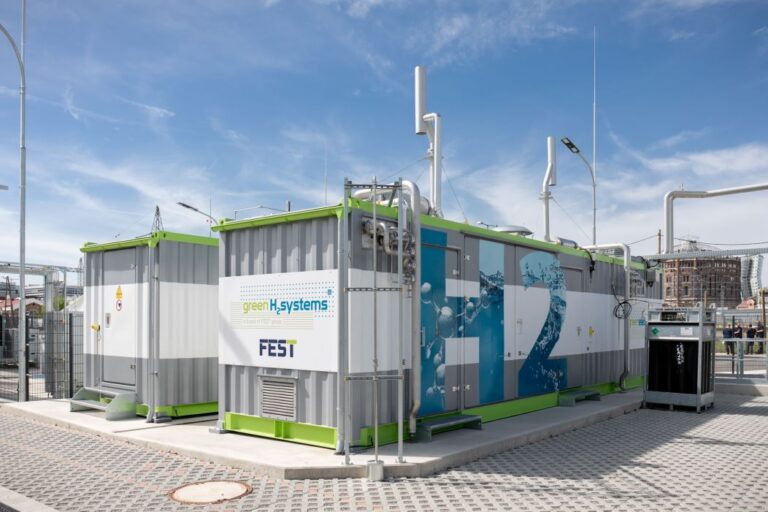
FEST built a hydrogen hub here that supplies public transport with green hydrogen. The system is modularly expandable and integrates renewable energies from the region.
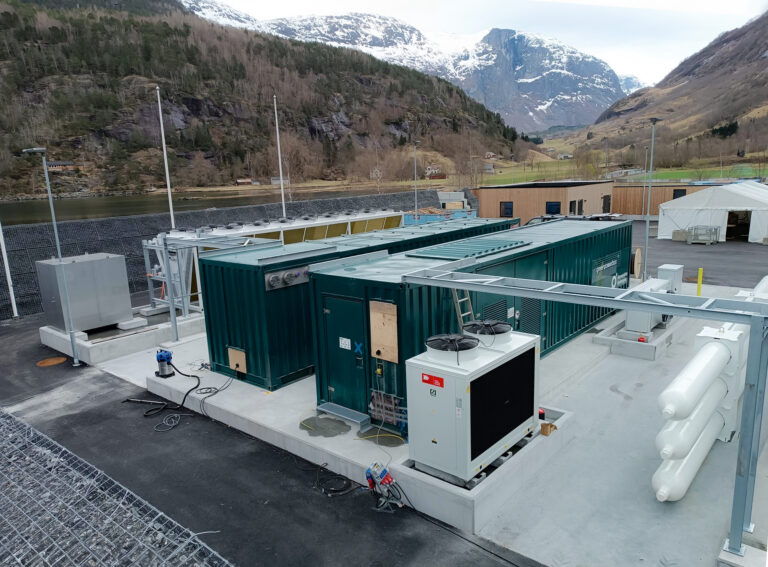
The Green Hydrogen Hub in Hellesylt is one of the largest hydrogen plants in Norway. Here, green hydrogen is used to supply regional industry as well as land and water transportation.
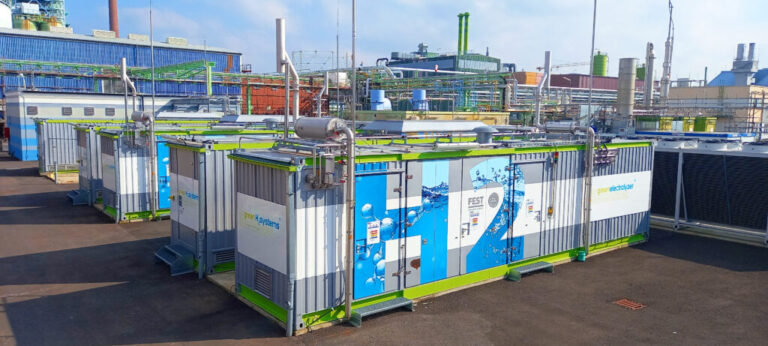
In Frankfurt, an existing hydrogen infrastructure was expanded to include an additional PEM electrolysis plant to ensure the reliable refueling of 27 hydrogen trains in the Rhine-Main region.
Why invest in a Green Hydrogen Hub now?
A Green Hydrogen Hub is the key to achieving climate targets, strengthening energy autonomy and remaining competitive in the long term. They give decision-makers the opportunity to act locally, plan economically and invest sustainably. FEST offers turnkey solutions from PEM electrolyzers to integrated hydrogen electrolysis plants.
With decades of experience in automation and energy infrastructure, modular systems “Made in Germany” and complete support from planning to maintenance, FEST is the ideal partner for companies and municipalities that want to take the step into the hydrogen economy.
Read more about our“Green hydrogen for the Stuttgart region” project here. Stadtwerke Stuttgart is already using 3 Fest electrolysis systems at
.
FAQ: Green Hydrogen Hub - Frequently asked questions
A hydrogen hub produces hydrogen decentrally and close to the point of consumption, reduces transport costs and increases security of supply.
Renewable energies such as wind, PV or hydropower. A direct PPA with an energy producer ensures favorable prices in the long term.
Thanks to containerized construction, a hub can be ready for operation in just a few months.
Depending on the operating mode, 10-15 years, even longer with regular maintenance.
Numerous programs at federal, state and EU level. FEST provides support with the selection and application process.
Yes, the modular design enables a gradual increase in capacity.
Let us advise you on your hydrogen project
Whether for industry, mobility or municipal energy supply, FEST supports you from the initial idea to ongoing operation. Arrange a non-binding consultation now and shape the hydrogen future of your region.
Contact us
Contact for green hydrogen
Pascal Pewinski
Vice President Sales and Business Development
FEST GmbH

